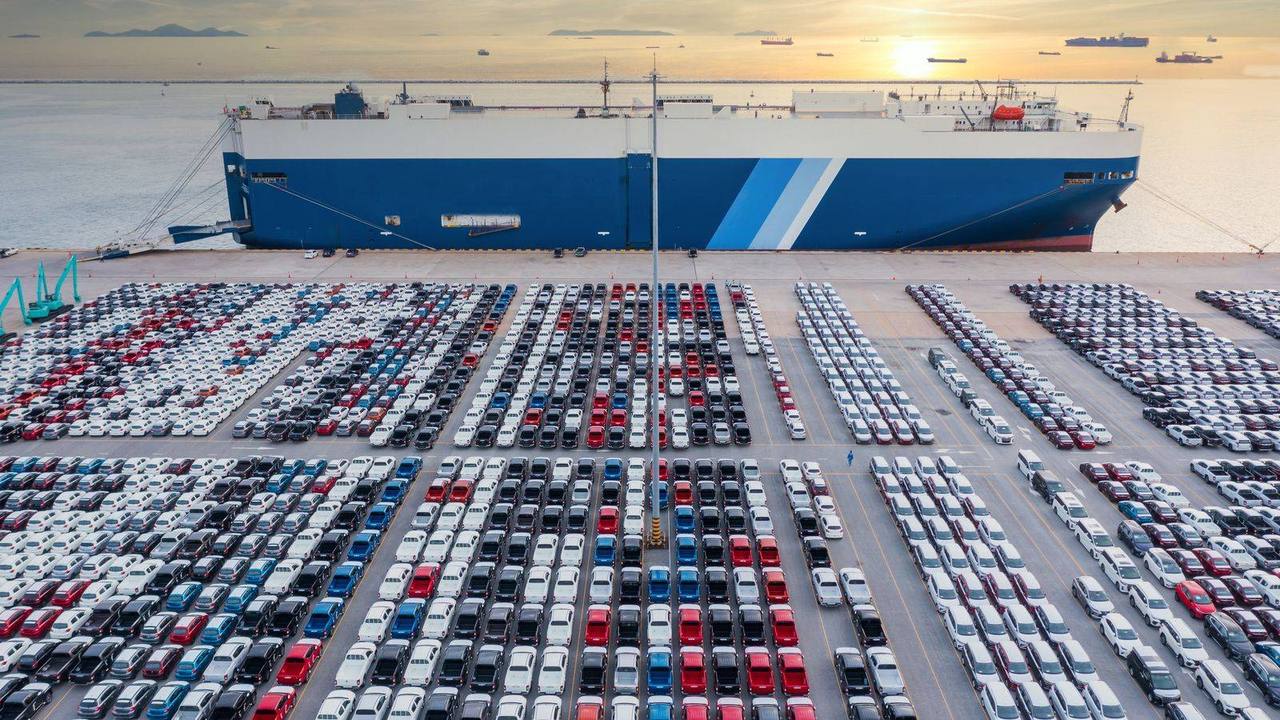
Puerto Rico is one of the most common destinations we quote — and one of the most misunderstood. It is not a normal interstate move: your vehicle leaves the mainland by ocean vessel, clears a customs process, and gets taxed on arrival. None of that is difficult, but every year people get blindsided by a fee nobody mentioned upfront.
Here is the honest version.
The route: truck, then ship
Almost every vehicle bound for Puerto Rico takes the same path. It is trucked to a port — usually Jacksonville, and sometimes Port Everglades or Miami for South Florida customers — then loaded onto an ocean carrier for the sail to San Juan.
That means your quote has two halves:
- Ground transport from your door to the port
- Ocean freight from the port to San Juan
When a broker quotes you a single suspiciously low number for “shipping to Puerto Rico,” ask which half it covers. A quote that only includes the boat leaves you arranging the truck yourself.
What it actually costs
Ocean freight for a standard sedan typically runs $1,000–$1,700, depending on the vessel, season and vehicle size. Add ground transport to the port on top of that — from South Florida it is short and inexpensive; from Chicago or Los Angeles it is the larger half of your bill.
Then come the costs that surprise people:
- Excise tax (arbitrio). Puerto Rico charges an import excise tax based on the vehicle’s assessed value, not what you paid. This is paid to Hacienda on arrival and it is frequently the single largest line item beyond the freight itself.
- Port and terminal handling fees at both ends.
- Storage if you do not collect the vehicle within the free window after arrival (usually a few days).
We tell customers to budget for the excise tax before booking, because it is the number that turns a smooth move into an unpleasant surprise at the port.
Paperwork you need
Get these together before your vehicle ships:
- Original title — and if there is a lien, a notarized authorization letter from the lienholder permitting export
- Valid photo ID matching the owner name
- Registration
- Dock receipt / bill of lading issued at the port
- The car must be clean, with a quarter tank of fuel or less, and empty — personal belongings are generally not allowed in the vehicle
That last rule catches people constantly. A car packed with boxes gets rejected at the terminal, and you pay for the wasted trip.
How long it takes
From South Florida, plan on roughly 1 to 2 weeks door to door: a few days for ground transport and port intake, then the sail itself, then clearance and pickup. From the West Coast or the Midwest, add the extra transit days for the drive to Jacksonville.
Booking earlier matters here more than on a normal domestic lane, because vessels sail on a fixed schedule. Miss the cut-off and your car waits for the next sailing.
Where we fit
We handle the part most people find hardest: getting the vehicle to the correct port, on time, at a price that actually holds — with a verified carrier whose name and number you have in writing before we invoice anything. We will also tell you plainly what the ocean and tax portions will run, so the total you plan for is the total you pay.
Same rules as always: no deposit to book, no payment details over the phone, and you never hand cash to a driver at the curb.
If Puerto Rico is on your horizon, tell us the vehicle and your dates and we will give you the real number — including the parts of the bill that are not ours.